
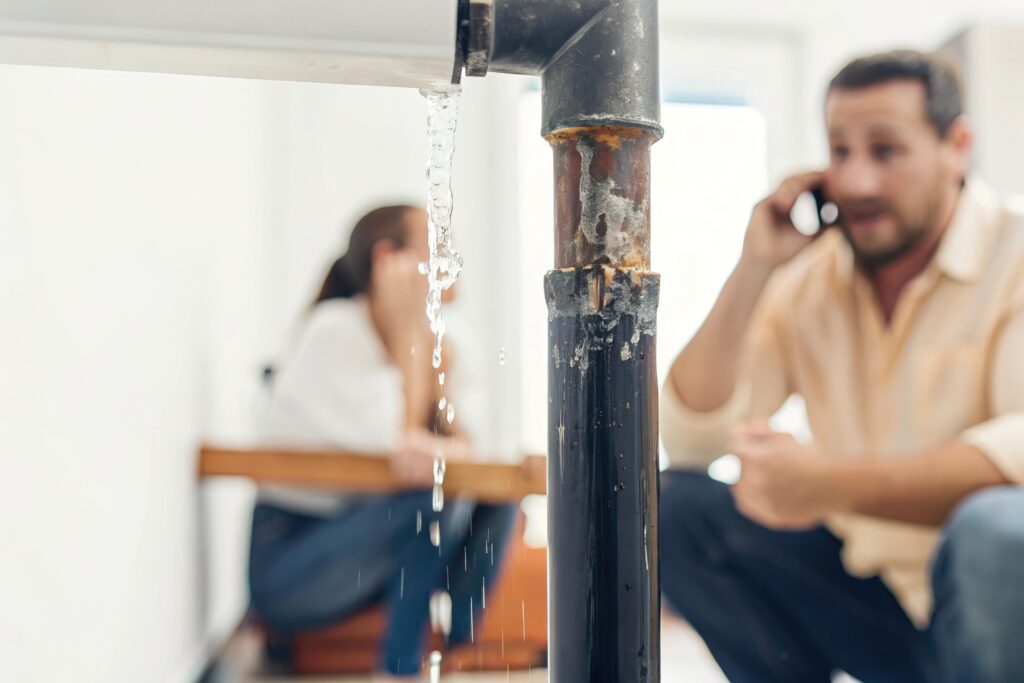
When homeowners think about major property damage, they often imagine dramatic events—floods, fires, or storms. What most don’t realize is that some of the most destructive and expensive damage starts quietly, out of sight, and without warning. A slow drip under a sink, a hairline crack in a pipe, or a malfunctioning appliance can silently destroy a vacant home long before anyone notices.
For homes left unoccupied—seasonal residences, vacation properties, second homes, or homes owned by out-of-state owners—small water leaks are one of the greatest risks. Unlike occupied homes, where daily routines expose problems early, vacant homes allow water damage to grow unchecked for weeks or even months.
This article explores why small leaks are so dangerous, how they escalate into major losses, why insurance and technology alone are not enough, and how professional Home Watch services prevent catastrophic water damage before it starts.
Why Small Water Leaks Are the Biggest Threat to Vacant Homes
Water damage doesn’t need force or volume to be destructive. Time is enough.
In a lived-in home, unusual sounds, odors, stains, or humidity changes are quickly noticed. In a vacant home, none of those early warning signs are observed. A leak that would have been fixed for a few hundred dollars can easily turn into tens of thousands in repairs simply because no one was there to notice it.
Even worse, many leaks don’t immediately trigger alarms or visible flooding. They seep into walls, subfloors, cabinets, and foundations—causing structural damage long before the first puddle appears.
Vacant homes create the perfect conditions for this type of damage:
-
No daily observation
-
No immediate response
-
Delayed repairs
-
Increased insurance risk
Home Watch services exist specifically to eliminate these blind spots.
How Small Leaks Turn Into Major Property Damage
A water leak rarely stays “small.” What begins as a slow drip almost always escalates, especially when left unattended. Moisture spreads through porous materials, weakens structural components, and creates an environment where secondary damage thrives.
Water intrusion typically follows a predictable progression. First, it saturates nearby materials. Next, it compromises structural integrity. Finally, it leads to mold growth, electrical risks, and long-term deterioration.
By the time visible signs appear—warped flooring, stained ceilings, or musty odors—the damage is often extensive and costly to reverse.
This progression is exactly why early detection is the single most important factor in preventing water damage in vacant homes.
Common Sources of Water Leaks in Vacant Homes
Water leaks rarely come from dramatic failures. Most originate from everyday systems that quietly fail over time. Plumbing fittings loosen, seals dry out, valves degrade, and appliances age—especially when a home sits unused.
Some of the most common sources include:
-
Aging plumbing connections under sinks and behind walls
-
Toilet supply lines and seals drying out
-
Water heaters developing slow leaks at pressure relief valves
-
Washing machine hoses cracking or loosening
-
HVAC condensation line clogs
-
Refrigerator ice maker connections
-
Irrigation system malfunctions
These issues are rarely visible from outside the home and often don’t trigger smart alerts. They require physical, on-site inspection to identify early.
Why Vacant Homes Are More Vulnerable Than Occupied Ones
A vacant home isn’t just empty—it’s unattended. That difference matters more than most homeowners realize.
In an occupied home, water use itself helps reveal problems. Pressure changes, unusual sounds, temperature fluctuations, and visual cues all act as early warnings. In vacant homes, systems sit idle, which can actually accelerate failure, especially in extreme climates.
Additionally, small issues that would normally be addressed immediately are allowed to compound. A dripping valve today becomes saturated drywall tomorrow. A damp cabinet becomes warped flooring next month.
Home Watch services replace the missing human presence that vacant homes lack.
The Hidden Costs of Undetected Water Damage
The financial impact of water damage goes far beyond the visible repairs. Flooring replacement, drywall removal, cabinetry repair, and painting are just the beginning. Many homeowners don’t realize that secondary damage often costs more than the original leak.
Hidden costs frequently include:
-
Mold remediation
-
Electrical system repairs
-
Structural reinforcement
-
Extended vacancy during repairs
-
Insurance deductibles
-
Increased premiums or denied claims
For seasonal homeowners or out-of-state owners, the logistical burden adds another layer of cost—coordinating repairs remotely, managing contractors, and dealing with delays.
Preventing the damage entirely is always less expensive than repairing it.
Why Insurance Alone Is Not Enough
Many homeowners assume insurance will fully protect them from water damage. Unfortunately, insurance policies often include strict conditions related to vacancy and monitoring.
Most policies require homeowners to take “reasonable steps” to maintain and monitor the property. Extended vacancy without documented inspections can lead to reduced coverage or denied claims—especially for gradual leaks.
Insurance companies distinguish between sudden damage and damage caused by neglect. A slow leak that worsens over time may be classified as preventable, making consistent monitoring essential.
Professional Home Watch services provide documentation that proves ongoing care and vigilance, which can be critical during claims.
The Limits of Smart Technology and Leak Sensors
Smart home technology is helpful—but it is not a replacement for physical inspections.
Leak sensors can fail, batteries can die, Wi-Fi can disconnect, and alerts can be missed. Even when alerts are received, someone still needs to be physically present to assess the situation and take action.
Technology also cannot:
-
Inspect inside cabinets
-
Smell moisture or mold
-
Check ceilings for stains
-
Evaluate water heater condition
-
Assess irrigation damage
Home Watch professionals use technology as a supplement, not a substitute. Their real value comes from trained human observation and immediate response.
What a Professional Home Watch Inspection Looks For
A professional Home Watch visit is not a quick walk-through. It is a methodical inspection focused on identifying early signs of trouble—especially water-related issues.
During a visit, trained professionals look for subtle indicators such as:
-
Moisture under sinks
-
Discoloration on walls or ceilings
-
Condensation where it shouldn’t be
-
Unusual odors
-
Changes in humidity
-
Water meter movement when no water is in use
These observations allow problems to be addressed while they are still small.
How Early Detection Changes Everything
Timing is the difference between inconvenience and disaster.
Catching a slow leak early may involve tightening a fitting or replacing a hose. Catching it late may involve tearing out walls, flooring, and cabinetry. The cost difference is dramatic, but so is the stress difference.
Early detection also prevents cascading failures. Water damage often triggers mold growth, which then leads to air quality issues and further remediation. Stopping the leak early prevents all of this from happening.
Home Watch services are built entirely around this principle.
Documentation: An Overlooked Advantage of Home Watch
One of the most underrated benefits of Home Watch is documentation. Each visit creates a record showing that the property was inspected, monitored, and maintained.
This documentation:
-
Protects homeowners during insurance claims
-
Demonstrates responsible ownership
-
Creates a maintenance history
-
Helps identify patterns before failures occur
For vacant homes, documentation can be just as important as detection.
How Home Watch Prevents Small Leaks From Becoming Big Problems
Home Watch prevents water damage by closing the time gap between problem and response. Instead of weeks or months, issues are identified within days.
Professional Home Watch services provide:
-
Regular physical inspections
-
Trained observation
-
Immediate reporting
-
Rapid response coordination
-
Ongoing documentation
This combination eliminates the silent damage window that vacant homes otherwise suffer from.
Why Neighbors and Friends Are Not a Reliable Solution
Many homeowners rely on neighbors or friends to “check in” occasionally. While well-intentioned, this approach has serious limitations.
Casual checks are inconsistent, undocumented, and often superficial. Neighbors may not know what to look for, may miss subtle signs, or may not visit frequently enough to matter.
Home Watch professionals are trained, systematic, and accountable. Their inspections are designed specifically to prevent damage—not just confirm the home is still standing.
Seasonal Absence and Increased Water Risk
Seasonal homeowners face unique challenges. Systems that sit unused for months can fail when restarted. Temperature changes can stress pipes and fittings. Irrigation systems may malfunction unnoticed.
Home Watch services bridge the gap between seasons, ensuring the home remains stable even when unoccupied for long periods.
Water Damage and Property Value
Water damage doesn’t just affect repair costs—it affects property value. Even after repairs, prior water damage can raise red flags during inspections, affect resale value, and delay transactions.
Preventing water damage preserves both the physical structure and the long-term value of the property.
Peace of Mind Is the Real Benefit
Beyond finances and logistics, the greatest benefit of Home Watch is peace of mind.
Knowing that someone is regularly checking your home, identifying issues early, and responding professionally allows homeowners to travel, live elsewhere, or own multiple properties without constant worry.
Peace of mind is not abstract—it’s the direct result of prevention.
How Troon Home Management Can Help
TroonHomeManagement.com provides professional Home Watch and Home Management services designed to catch water leaks early, document property condition, and coordinate rapid response. Their proactive inspections help prevent small leaks from becoming costly disasters, giving homeowners confidence their property is protected year-round.
Final Thoughts: Prevention Is Always Cheaper Than Repair
Small water leaks are not minor issues—they are silent threats that can devastate vacant homes. The difference between a simple fix and a major restoration is almost always early detection.
Home Watch services exist for one reason: to notice what no one else can, before it’s too late.
For vacant homes, second homes, and seasonal properties, professional Home Watch is not a luxury—it is essential protection.